
What Are Metal Braces? Pros, Cons, Treatment Time and Cost, Explained by Mahidol University-Trained Dentists
Unhappy with how your teeth look and thinking about braces to feel more confident? There are many types of braces today, so the real question is which one suits you: one that treats your specific problem, with a treatment time and price that make sense.
Metal Braces
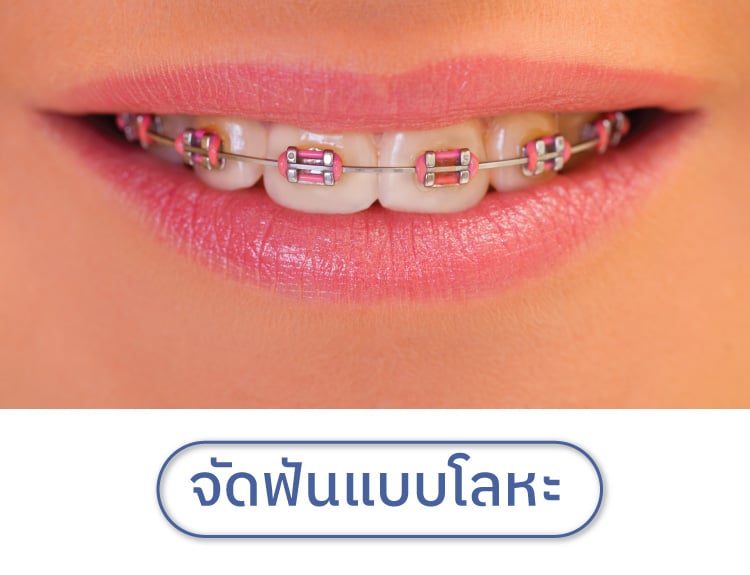
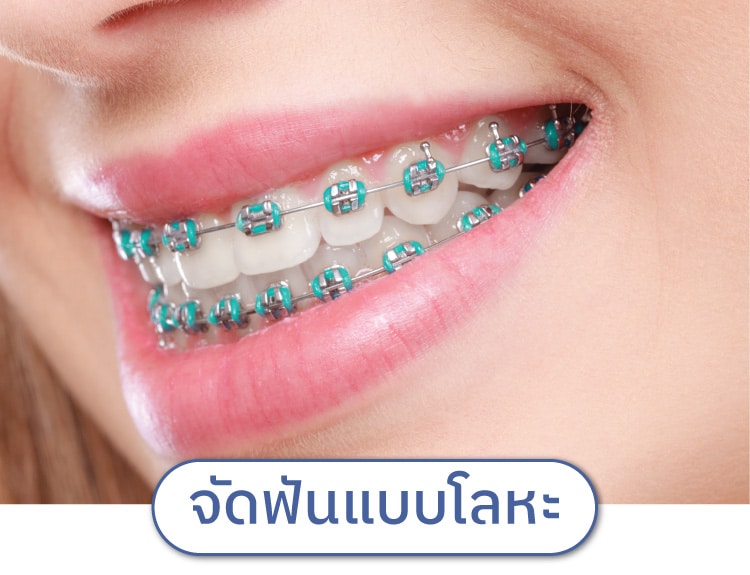
Metal braces are among the most popular ways to straighten teeth. Metal brackets are bonded to the front surface of each tooth, and an archwire links them together. The wire moves the teeth gradually and efficiently into the positions the orthodontist has planned. The method is highly effective and suits many kinds of dental problems, such as crooked or crowded teeth and bite problems. Its main advantages are durability and a lower price than other types of braces.
การจัดฟัน(Orthodontics) คือการรักษาทันตกรรมเฉพาะทาง สาขาหนึ่งในการวิเคราะห์วินิจฉัยและวาง แผนป้องกันรักษาความผิดปกติของการ เรียงฟันการสบฟันรวมถึงปัญหาที่เกี่ยวกับขากรรไกรที่จำเป็นต้องสัมพันธ์กับใบหน้า เป็นการรักษาเพื่อให้ มีการสบฟันที่ดีขึ้น การบดเคี้ยว อาหารมีประสิทธิภาพลด ปัจจัยเสี่ยงในการเกิดฟันผุหรือโรคเหงือกอัน เนื่องมาจากฟันเรียงตัวผิดปกติฟัน ซ้อนเกหรือแปรงฟันไม่ทั่วถึงและ หลีกเลี่ยงการเกิดรอยสึกของฟันจาก การ เรียงฟัน หรือการสบฟันที่ไม่เหมาะสม นอกจากนี้การจัดฟันยังช่วยเสริมความ มั่นใจให้กับรอยยิ้มเสริมบุคลิกภาพจาก การที่มี ฟันเรียงกันสวยงาม
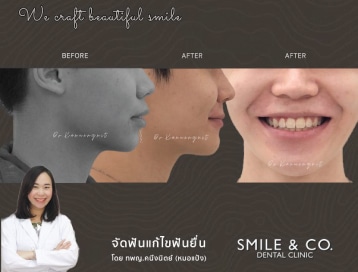
Metal braces bring irregular teeth into a neat, even line, and they can also make the face look slimmer. Braces have become something of a fashion statement too, so it is common to see teenagers and celebrities such as singers and actors wearing them, along with plenty of other people.
If you are researching braces, our dentists recommend reading the guides from Smile & Co. Dental Clinic first, so you have the facts you need before deciding. We have prepared two key articles:
- What Braces Are and the Types Available, for Anyone Considering Treatment
- First Braces: How to Prepare and How Much It Costs
How Many Types of Metal Braces Are There?
There are two types of metal braces:
- Conventional metal braces with elastic ties
- Damon braces
Conventional Metal Braces With Elastic Ties
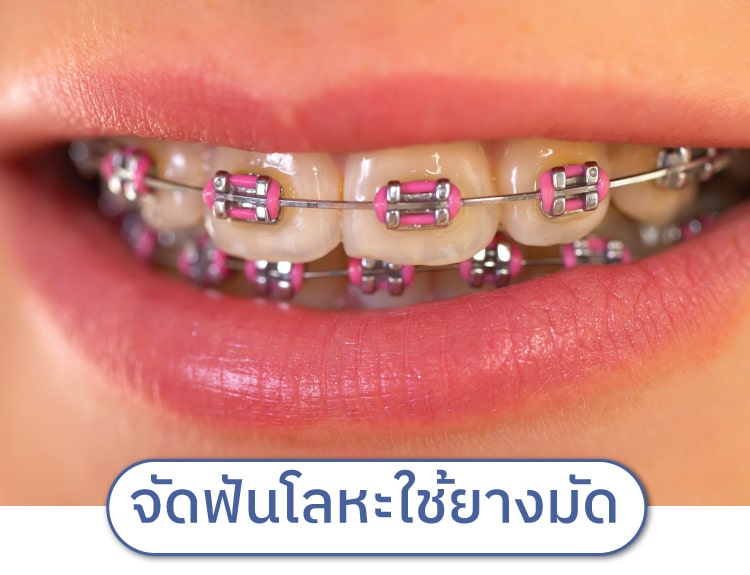
These are standard metal braces. Metal brackets are bonded to the teeth, and the archwire is held in each bracket with small elastic ties, so the teeth move correctly into the positions set by the dentist.
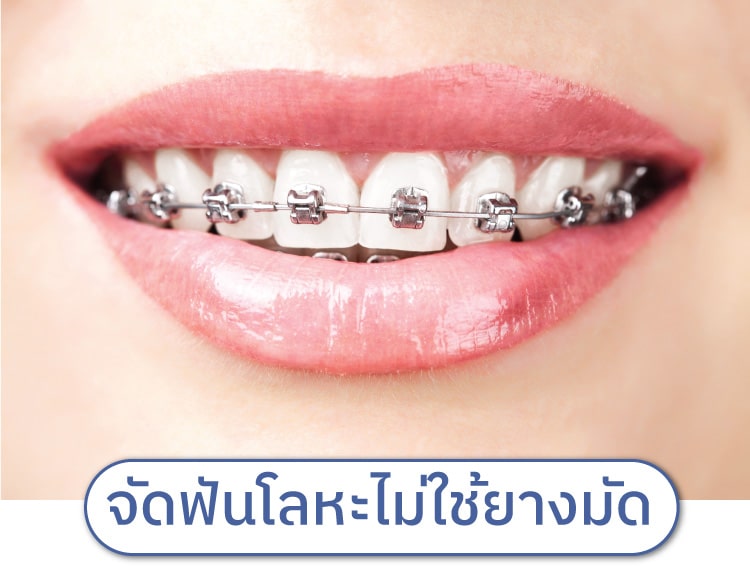
Damon Braces
Damon braces do not need elastic ties. Each bracket has a built-in clip that locks the wire in place, which lets the teeth move more easily toward the positions set by the dentist. Without the pressure from elastic ties, patients usually feel less discomfort.
Read more: Damon Braces With No Elastic Ties, Fewer Visits, Less Discomfort and Faster Results
How Are Metal Braces Different From Clear Aligners?
The main difference between metal braces and clear aligners is the appliance itself.
Metal braces cannot be taken out, so keeping the mouth clean is harder and patients need to be careful about what they eat. Treatment takes about 1–2 years (complex cases may take up to about 3 years), depending on each person’s dental health and tooth structure. Metal braces also cost less than clear aligners.
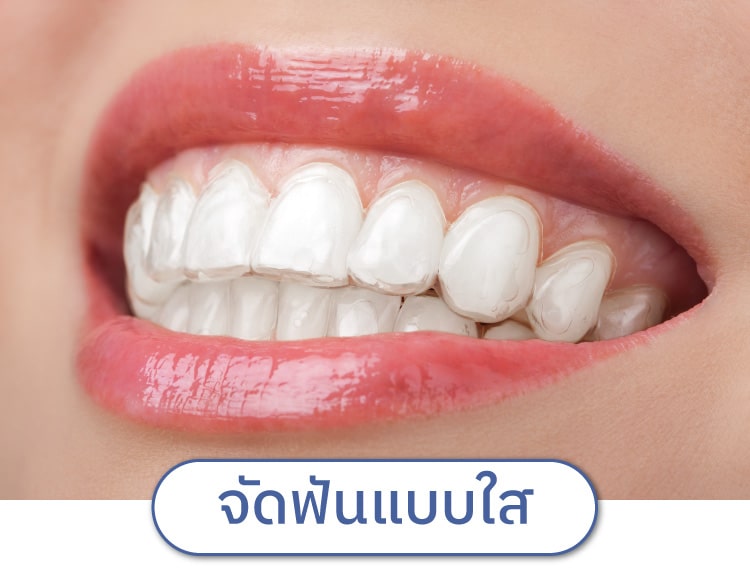
Clear aligners are made of thin, transparent plastic, so it is hard to tell that someone is wearing them. They can be removed, they do not irritate the mouth, and patients can eat and clean their teeth as usual. Treatment takes about 6 months to 2 years, depending on each person’s dental health and tooth structure, and clear aligners cost more than metal braces.
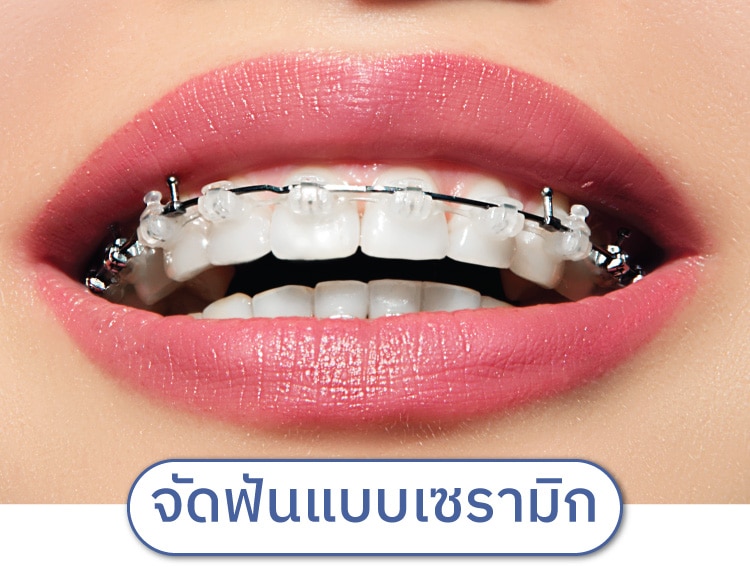
There are also ceramic braces, which work the same way as metal braces. Brackets are bonded to the teeth, and a wire controls the force and direction of tooth movement.
The difference is that ceramic braces blend in with the color of the teeth so well that it is hard to tell someone is wearing braces at all. They suit patients who want orthodontic treatment that other people are unlikely to notice. Treatment takes about 2 years or longer, depending on each person’s dental health and tooth structure, and ceramic braces cost more than metal braces.
Advantages of Metal Braces
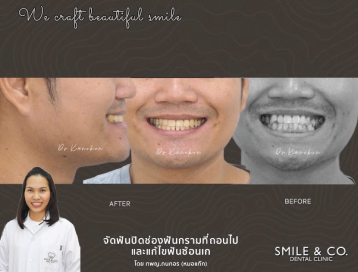
- Crooked, crowded or gapped teeth line up neatly as planned.
- Patients gain confidence and a better presence, and find it easier to speak up and meet people.
- Chewing improves, and so does the bite.
- Oral health improves because every tooth is easier to reach when cleaning, which means less tooth decay.
- Bad breath is reduced because the whole mouth can be cleaned thoroughly.
- The face can look slimmer.
Disadvantages of Metal Braces
- The mouth feels tight and sore during treatment and while the teeth are moving.
- Teeth are harder to clean during treatment, which can lead to bad breath and tooth decay.
- A retainer is still needed after treatment.
- Dental visits are frequent, and treatment takes 1–3 years depending on each person’s problem.
- The cost is high, even though metal braces are cheaper than other types.
Who Are Metal Braces Suitable For?
- People with crowded, crooked or irregular teeth
- People with bite problems such as a deep bite, open bite or crossbite
- People who want orthodontic treatment at a standard price, lower than clear aligners

Benefits of Metal Braces
Metal braces are a common sight and remain popular. They can correct many kinds of problems, such as crooked, crowded, protruding, gapped or tipped teeth. The teeth move back into a neat line, patients can bite and chew better, and they feel more confident. On top of that, metal braces cost less than other types of braces, which is why most people choose them.
Many people with metal braces also enjoy picking the color of their elastics and switching to new colors each time the elastics are changed. It has become part of the fashion of wearing metal braces. With so many colors to choose from, the shades people pick can even say something about their personality.
At What Age Can You Start Braces?
Braces are nothing unusual. They can be done from the teenage years through adulthood for anyone with bite problems or teeth that are not aligned the way they would like. The recommended time to start is once all the permanent teeth have come in, at around 11–13 years old.

Steps in Metal Braces Treatment
- Consult the dentist. The dentist examines your tooth structure and takes records before treatment, including impressions, photos and X-rays. You will learn the pros and cons of metal braces and other options, so you can compare them before you decide.
- Get the mouth ready for braces, for example with scaling, extractions, fillings or wisdom tooth removal.
- Schedule an appointment to have the braces fitted.
- Once the braces are on, the dentist will schedule wire adjustments about every 1.5–2 months.
- When treatment is complete, the dentist removes the braces and takes impressions for a retainer. Retainers come in several types: clear, wire, fixed and metal. They hold the teeth in their new position and should be worn as the dentist advises, so the teeth do not shift back.
- Have a dental checkup every year after treatment to keep the teeth straight and healthy and to reduce oral problems.
After metal braces, wear your retainer consistently.
How Long Does Metal Braces Treatment Take?
Metal braces come in two types, with elastic ties and without, and the treatment time differs between them.
Conventional metal braces with elastic ties take about 1–2 years (complex cases may take up to about 3 years), depending on each person’s dental health and tooth structure. Damon braces take about 1–3 years, depending on each person’s dental health and tooth structure.
How Much Do Metal Braces Cost?
Metal braces cost less than other types of braces, but the price is still fairly high. Metal braces cost about 39,000–48,000 THB. Many clinics and hospitals now offer installment plans for patients who prefer not to pay in one go, for example 39,000 – 48,000 THB a month.
Our dentists have gathered all our treatment fees in one place:
- Smile & Co. Dental Clinic treatment price list
How to Care for Metal Braces at Every Stage, and What You Can Eat
Before braces, patients consult the dentist, who examines the tooth structure and takes records (impressions, photos and X-rays). Any existing problems are then treated first, for example with scaling, extractions or fillings.
During treatment, take extra care with cleaning. Use a toothbrush designed for braces and dental floss to prevent tooth decay and bad breath. Avoid foods that are hard, sticky or too large, or that you have to bite into with your front teeth, because they can knock the brackets loose. Choose soft foods that are easy to chew so the gums and teeth do not get sore from heavy chewing. Keep every appointment so the dentist can check how the teeth are moving and how the braces are holding up.
After the braces come off, the retainer must be worn almost full time for about the first 6 months, except when eating and cleaning the teeth. After that, wear it every night on an ongoing basis as the dentist advises. Patients should also see the dentist for a checkup every 6 months and keep up good oral care.
Metal Braces Reviews
Metal braces are popular with people from their teens into adulthood. Braces have become a kind of fashion, so instead of looking unattractive, they can make the wearer look more interesting straight away.
So it is no surprise that many teenagers, celebrities and actors post reviews of their metal braces. Put simply, they share their braces lifestyle to show that they care about their health and that their face shape has changed for the better.
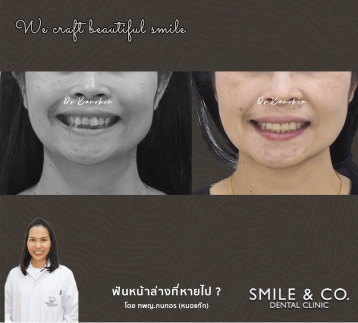
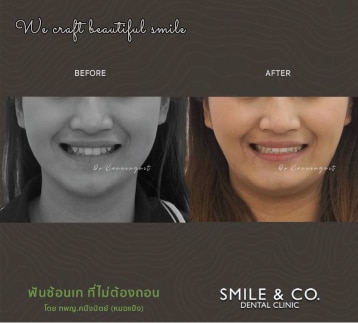
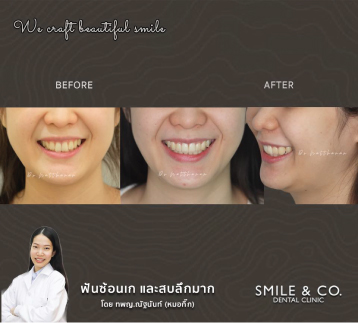
Anyone interested in metal braces can search for “metal braces review” and find plenty to read. Clinic websites also publish reviews from patients who have had metal braces, including the reviews from Smile & Co. Dental Clinic below.

What to Do While Wearing Metal Braces
- Food tends to get stuck in braces and is hard to clean out. Patients should take extra care with cleaning to prevent bad breath and tooth decay.
- To avoid damaging the teeth, it is better to cut out hard, sticky and chewy foods completely during treatment.
- To finish on schedule, see the dentist regularly so they can check tooth movement and the braces. Missing appointments can make treatment take longer and may lead to more oral problems.
Metal braces cost less than other types of braces. Even so, for treatment that works well and fits your lifestyle, it is better to choose the braces that suit you, because any type of braces takes several years.
You will be wearing them every day, so choose an appliance that fits easily into daily life. If cost is a concern, monthly installments are available.
Frequently Asked Questions About Metal Braces
Q: I have metal fillings. Can I still get metal braces?
Yes. People with metal fillings can have braces as usual. The dentist just needs to check the teeth thoroughly before treatment starts.
Q: Do I need to wear a retainer all the time after metal braces?
Our dentists recommend wearing the retainer all day for the first 6 months after treatment, taking it out only to brush or eat. After 6 months, wear time can be reduced, perhaps to 10–12 hours while you sleep. Your dentist should assess this for you.
Q: Can I get metal braces with a budget of 48,000 THB?
A budget of 39,000–48,000 THB covers the first payment, because braces at Smile & Co. Dental Clinic can be paid in installments. Over the long term, the dentist will review your treatment plan again, so you may need to set aside around 39,000–48,000 THB in total for metal braces.