
What Is Orthodontic Treatment?
Types of Braces and Everything You Should Know Before Getting Started
Orthodontic Treatment: Correcting Misaligned Teeth and Improving Your Smile
Orthodontic treatment can effectively correct various dental concerns, including protruding front teeth, crowded or crooked teeth, an uneven smile, and bite problems. Helping you achieve a healthier, more confident smile.
Today, orthodontic treatment is available at a wide range of prices, with several types of appliances to suit each patient’s needs and lifestyle. Options include ceramic braces, metal braces, Damon braces, and Invisalign clear aligners.
You can learn more below about each treatment option, how to choose the right orthodontic clinic, and the costs of orthodontic treatment.
Explore Orthodontic Topics
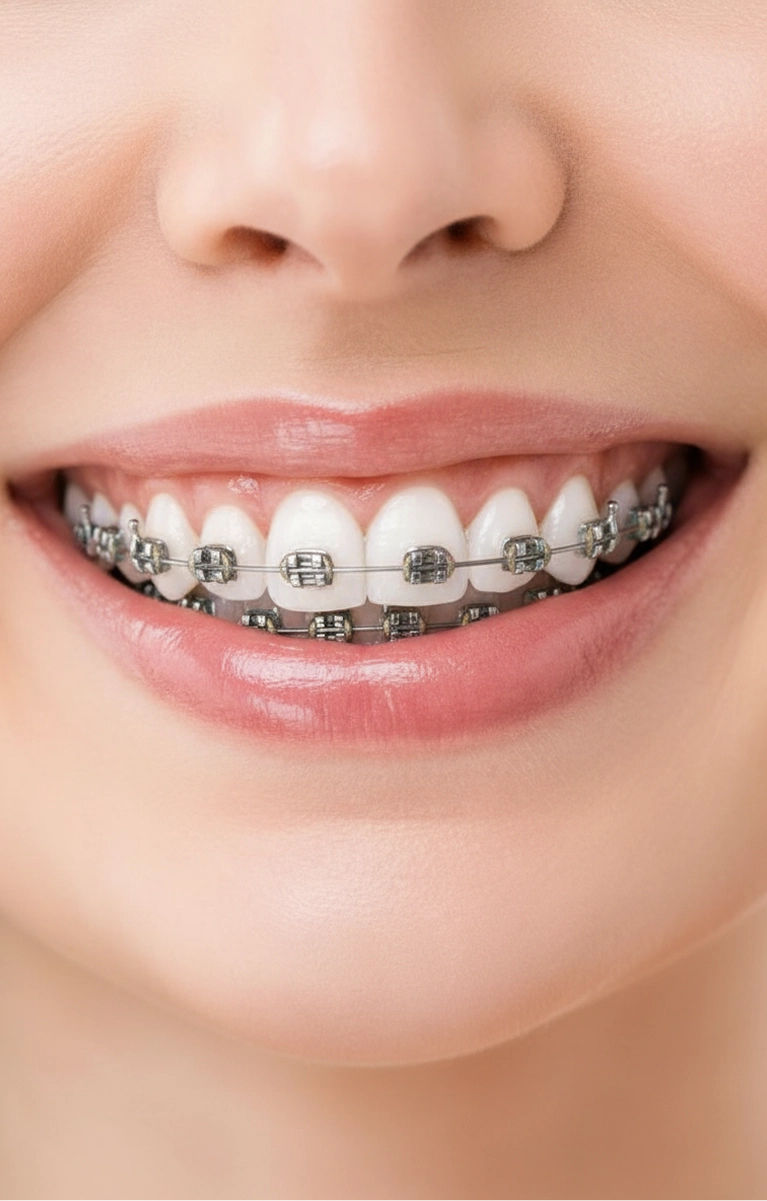
What Is Orthodontic Treatment?
Orthodontics is a specialized field of dentistry that focuses on the analysis, diagnosis, prevention, and treatment of irregularities in tooth alignment and bite, including jaw-related conditions that affect facial structure and balance.
Orthodontic treatment aims to improve the bite and make chewing more efficient. It can also reduce the risk of tooth decay and gum disease caused by misaligned or crowded teeth, which may be difficult to clean thoroughly. In addition, it helps prevent excessive tooth wear resulting from improper tooth alignment or bite.
Beyond improving oral health and function, orthodontic treatment can enhance the appearance of your smile, boost your confidence, and improve your overall appearance by creating a more even and well-aligned smile.
What Can Orthodontic Treatment Help With?
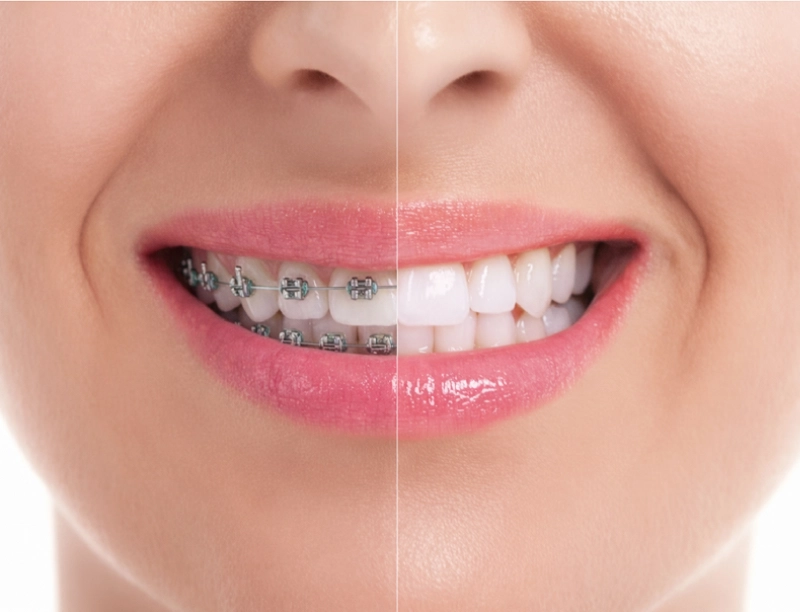
What Can Orthodontic Treatment Help With?
After orthodontic treatment, the teeth become better aligned, resulting in a more attractive smile and improved oral health.
Orthodontic treatment is not only about enhancing the appearance of your smile. It also offers several benefits for your oral health and everyday life, including:
- Correcting crowded or crooked teeth for a more even and attractive smile
- Improving bite alignment and correcting issues such as deep bite, open bite, or protruding teeth
- Making chewing more efficient and reducing abnormal pressure on the teeth
- Reducing the risk of oral health problems, including tooth decay and gum inflammation
- Improving facial balance and the appearance of your smile for greater confidence
- Supporting clearer speech in certain cases where tooth or bite irregularities affect pronunciation
- Boosting confidence and supporting positive social and professional interactions
What Types of Orthodontic Treatment Are Available?
Orthodontic treatment can be divided into two main types
- Orthodontic treatment can Fixed orthodontic appliances baces are bonded to the teeth throughout treatment. Patients must attend regular appointments for adjustments.
- Removable orthodontic appliances clear aligners such as Invisalign can be removed as needed, offering greater convenience and a more natural appearance.
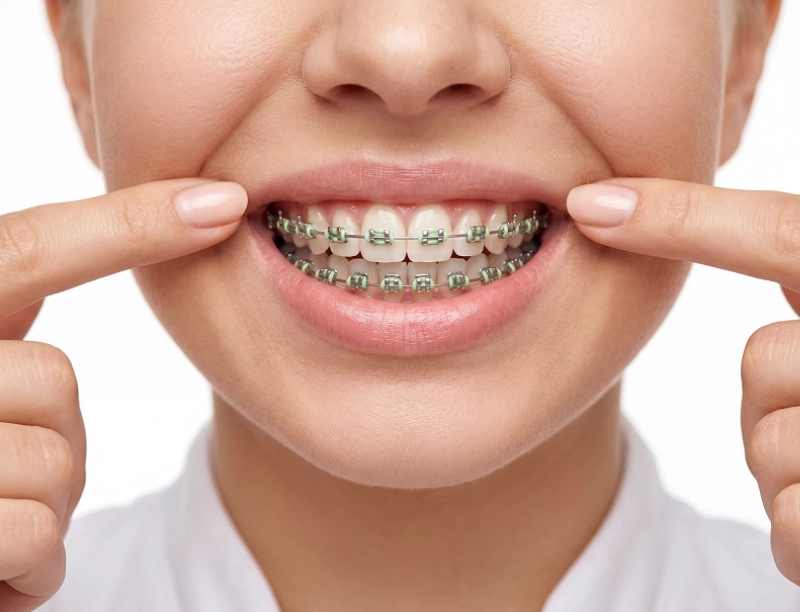
Metal Braces
Metal braces are a popular and affordable option, particularly among teenagers and students. Metal brackets are bonded to the front surfaces of the teeth, while archwires apply the necessary force. O-rings secure the wires to the brackets. Adjustments are required every month.
Price: Monthly instalments from THB 39,000 – 48,000
Benefits: Affordable, effective, durable, easy to adjust, and available with customizable O-ring colors
Recommended for: Students and budget-conscious patients who can attend regular dental appointments
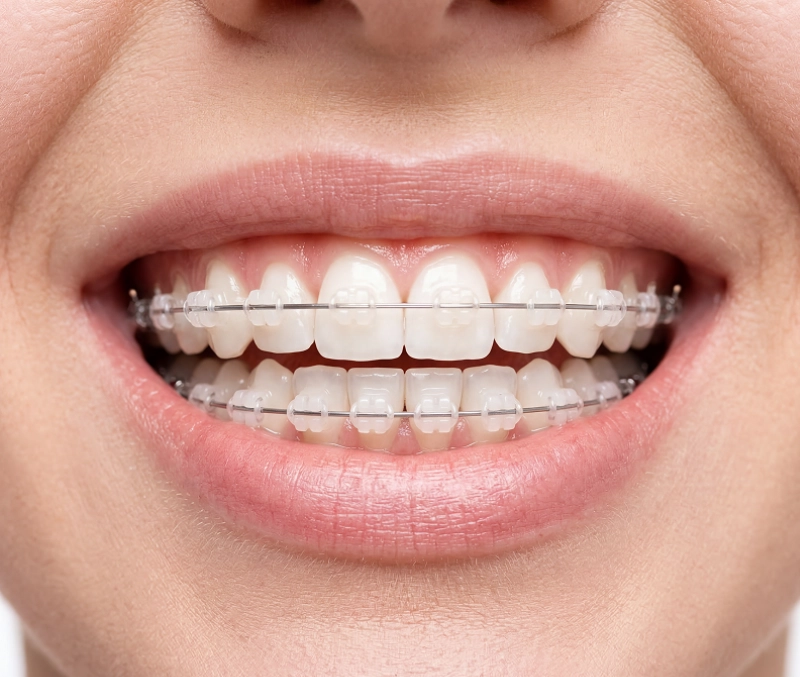
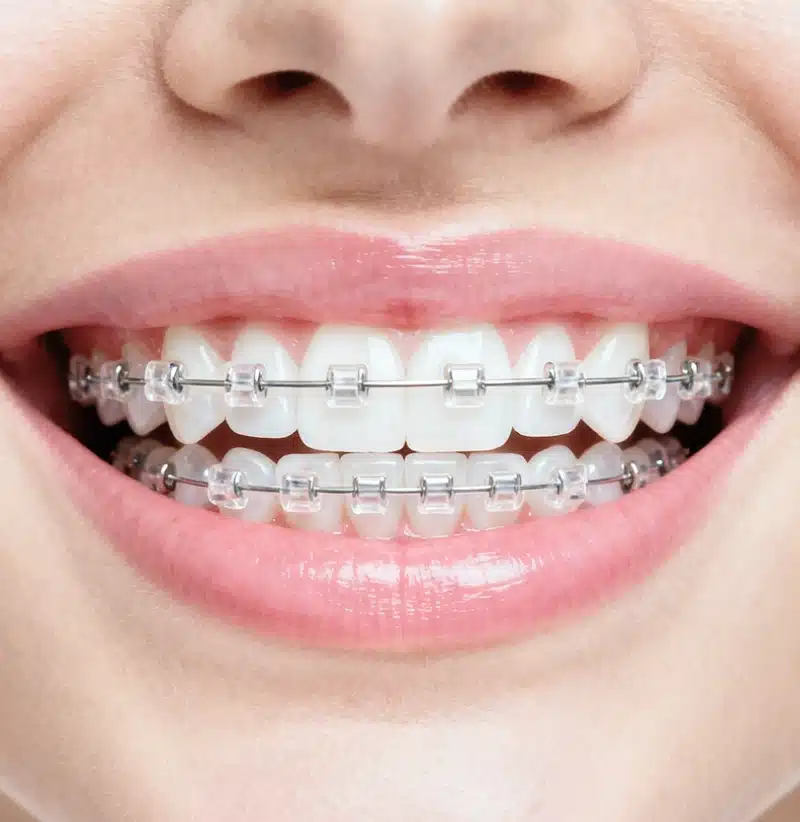
Ceramic Braces
Ceramic braces use clear or tooth-colored ceramic brackets bonded to the front surfaces of the teeth. Archwires pass through the bracket slots and are secured with clear elastic ligatures to control tooth movement.
They are less noticeable than metal braces and provide a more natural appearance. Patients must have their braces adjusted every month, and treatment generally takes at least two years.
Price: Monthly instalments from THB 59,000
Benefits: Discreet, natural-looking, stain-resistant, durable, and effective for tooth movement
Recommended for: Patients who want less noticeable braces and need to maintain a professional appearance during treatment
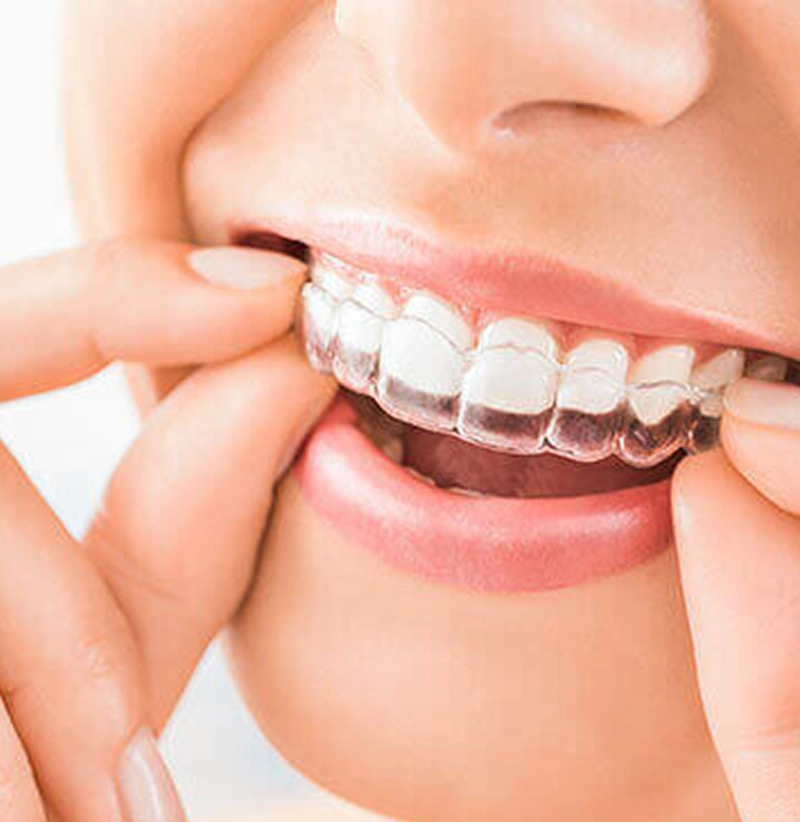
Invisalign Clear Aligners
Invisalign is an advanced orthodontic treatment that uses 3D technology to create a personalized treatment plan. Patients can preview the expected tooth movement and better understand their treatment journey.
The clear aligners are removable and virtually invisible, providing a natural appearance. Treatment typically takes 6–24 months or longer. Invisalign is divided into three main options:
- Invisalign i7 For minor cases requiring 1–2 mm of tooth movement, using up to 7 aligner sets
- Invisalign Lite For mild cases or minor relapse after previous orthodontic treatment, using up to 14 aligner sets
- Invisalign Full For a wide range of orthodontic conditions, with no fixed limit on the number of aligners
Price: Monthly instalments from THB 70,000 – 160,000
Benefits: Virtually invisible, removable, smooth and flexible SmartTrack material, minimal impact on speech, digital treatment preview, and suitable for all ages
Recommended for: Patients seeking maximum discretion without affecting their appearance and who can wear the aligners for at least 20–22 hours per day for optimal results
Damon Braces
Damon braces are a modern self-ligating orthodontic system that does not require elastic ligatures. The system reduces friction, allowing teeth to move more comfortably and efficiently than with conventional metal braces.
Damon braces are available in three models:
- Damon Q Metal self-ligating brackets
- Damon Clear Clear self-ligating brackets
- Damon Ultima The latest metal bracket system, designed for improved archwire–bracket engagement, more precise tooth movement, and minimal friction
Price: Monthly instalments from THB 76,000 – 85,000
Benefits: No elastic ligatures, self-ligating brackets with an opening-and-closing mechanism, reduced friction, efficient tooth movement, less discomfort, and gentler force application
Recommended for: Patients of all ages, especially those seeking efficient results, less discomfort, and easier oral hygiene. Clear brackets are also available for a more discreet appearance.
How Should You Prepare Before Getting Braces?
Preparing properly is essential for first-time orthodontic patients, as treatment requires time and ongoing care. Good preparation particularly regarding oral health can help ensure a smoother treatment process and the best possible results.
- Visit a dentist for an oral examination to identify issues such as tooth decay, impacted wisdom teeth, or tartar buildup.
- Complete any necessary dental treatment before beginning orthodontic treatment.
- Assess the tooth and jaw structure, as well as bite alignment.
- Discuss the treatment plan with your orthodontist and select the most appropriate option.
- Understand the available treatments, such as metal braces and clear aligners.
- Ask your orthodontist about the procedure, costs, and expected treatment duration.
- Clarify any concerns before making your final decision.
How Much Does Orthodontic Treatment Cost?
The cost of orthodontic treatment depends on several factors, including the type of braces or aligners selected, the complexity of the patient’s dental structure, and the techniques used by the orthodontist. Therefore, prices may vary as follows.
Orthodontic Treatment Prices at Smile & Co. Dental Clinic
| Treatments | Fees (THB) |
|---|---|
| Metal Braces | 39,000 – 48,000 THB |
| Ceramic Braces | 59,000 THB |
| Damon Q Braces | 76,000 – 85,000 THB |
| Damon Clear Braces | 80,000 – 89,000 THB |
| Invisalign (Clear Aligners) | 70,000 – 160,000 THB |
| Essential Clear Aligners | 80,000 THB |
| Orthodontic Treatment with Jaw Surgery | 72,000 – 200,000 THB |
How Much Does It Cost to Start Orthodontic Treatment, and What Are the Initial Expenses?
| Treatments | Fees (THB) |
|---|---|
| Orthodontic Consultation | Free of charge |
| Dental Impressions | THB 1,000 |
| Orthodontic X-rays | THB 1,200 |
| Pre-Orthodontic Dental Treatment | THB 800–1,500 per visit |
| Orthodontic Treatment | THB 39,000–160,000, depending on the type of treatment |
| Retainers | THB 4,000 |
What Are the Steps Involved in Orthodontic Treatment?
Orthodontic treatment involves several key steps, from the initial consultation to follow-up care after the appliances are removed. The orthodontic treatment process includes:
- Consult an orthodontist to evaluate your facial profile, jaws, teeth, and medical and dental history. The orthodontist will also explain the available treatment options.
- Create a treatment plan, review the costs, take dental impressions or digital scans, and perform X-rays to assess the teeth and jaw structure.
- Complete pre-orthodontic dental treatment to ensure the mouth is healthy and ready for appliance placement.
- Fit the orthodontic appliances. Braces are typically adjusted every 1–2 months, while clear aligners are changed according to the treatment plan.
- Maintain good oral hygiene and visit the dentist for examinations and professional scaling every 3–6 months.
- Remove the appliances and wear retainers to keep the teeth in their corrected positions.
- Attend regular retainer follow-ups, such as after 1, 3, 6, and 12 months, to maintain the results.
After completing orthodontic treatment, patients should learn how to care for their teeth properly to maintain good alignment and long-term oral health.
Before and After Braces: How to Care for Your Teeth and What You Can Eat
Related Dental Articles
เครื่องมือจัดฟันที่ใช้ มีอะไรบ้าง ?
What Orthodontic Appliances Are Used?
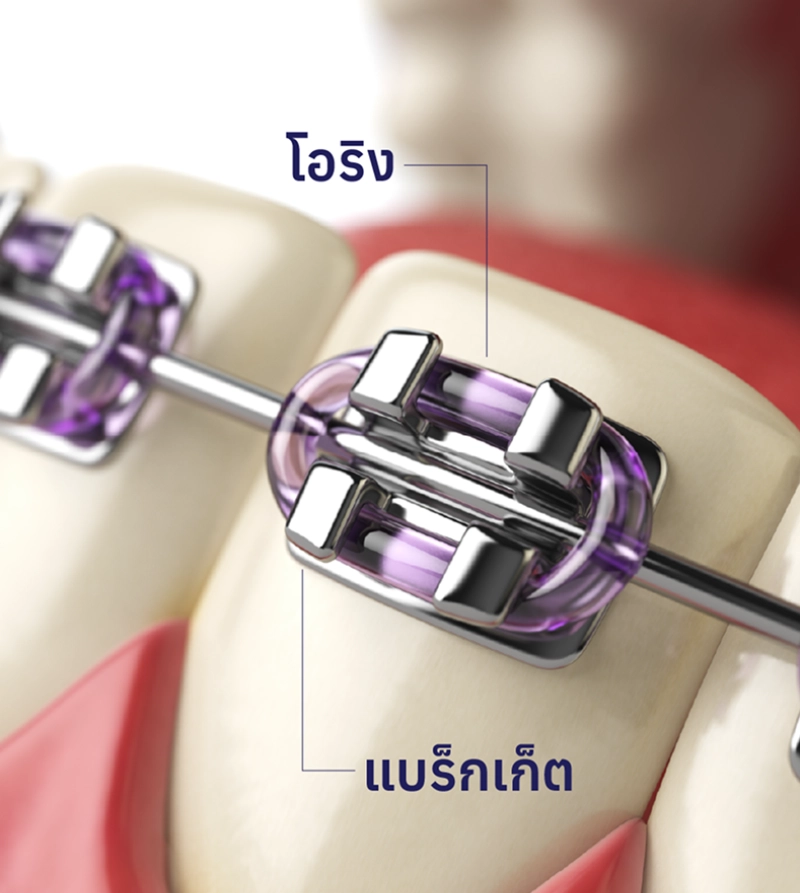
- O-Rings: Small elastic ligatures, also known as modules, used to secure the archwire to each bracket and prevent it from coming loose.
- C-Chains: Continuous chain-shaped elastics used to move teeth and close spaces between them.
- Orthodontic Elastics: Small elastic bands used to correct bite problems or assist specific tooth movements. Patients must remove and replace them daily as instructed for optimal results.
- Separators: Small elastics placed between the teeth before fixed appliances are fitted. They gradually create space for orthodontic bands.
- Orthodontic Bands: Strong metal rings cemented around the teeth, most commonly the molars. They are used less frequently today.
- Brackets: Appliances designed for individual teeth, with a central slot for the archwire. They control tooth movement in multiple directions to achieve the desired tooth positions and bite.
- Orthodontic Wires: The main components that apply force to move the teeth through the brackets. Depending on the treatment stage, they may be made from Nickel-Titanium (NiTi), Stainless Steel (SS), or Titanium-Molybdenum Alloy (TMA).
- Miniscrews: Temporary anchorage devices placed in the jawbone to support tooth movement, such as closing extraction spaces or correcting bite problems. Placement is a quick procedure performed under local anesthesia, and the miniscrews can be removed once treatment is complete.
- Retainers: Appliances worn after orthodontic treatment to keep the teeth in their corrected positions. They are available as either fixed or removable retainers.
What Are the Benefits of Orthodontic Treatment?
Orthodontic treatment not only improves the appearance of your smile but also supports long-term oral health. Its key benefits include:
- Properly aligned teeth create a more balanced bite, allowing food to be chewed more thoroughly and supporting better digestion.
- Straighter teeth are easier to clean, helping reduce bad breath and prevent tooth decay and gum disease.
- Proper tooth alignment makes brushing and flossing more effective.
- A more attractive smile can enhance your overall appearance and confidence, particularly in social and professional settings.
- Orthodontic patients often become more attentive to oral hygiene, helping establish healthy long-term habits.
- Orthodontic treatment may improve facial proportions and create a more defined or balanced appearance without cosmetic surgery.
- Correcting gaps, crowding, or uneven tooth alignment may improve pronunciation and speech clarity.
What Are the Limitations of Orthodontic Treatment?
- Orthodontic treatment requires detailed, long-term planning and may involve X-rays, dental impressions, scaling, tooth extractions, and retainers. Total costs can range from tens of thousands to over one hundred thousand baht, depending on the appliance and case complexity.
- Treatment takes time and requires regular appointments. Careful planning is essential, especially if you intend to study abroad, change jobs, or relocate.
- Patients with fixed braces should avoid hard, sticky, or chewy foods that may damage the appliances.
- Food can become trapped around fixed appliances, making it necessary to clean the teeth thoroughly after every meal.
- Teeth may feel sore during the initial stage or after adjustments. Brackets and wires may also irritate the cheeks or lips, but orthodontic wax or topical medication can help relieve discomfort.
- Teeth can shift back toward their original positions if retainers are not worn as instructed. Post-treatment care is therefore just as important as the active treatment itself.
How Long Does Each Type of Orthodontic Treatment Take?
Orthodontic Treatment Estimated Duration
- Metal Braces 1.5–3 years
- Ceramic Braces 1.5–3 years
- Damon Q Braces 1.5–2.5 years
- Damon Clear Braces 1.5–2.5 years
- Invisalign Clear Aligners 1–3 years
- Essential Clear Aligners 1–2.5 years
- Orthodontic Treatment with Orthognathic Surgery 2–5 years
These durations are approximate averages. The actual treatment time may vary depending on the condition of the teeth, the complexity of the case, and the patient’s consistency in attending orthodontic appointments.
How Should You Care for Your Teeth During Orthodontic Treatment?
Dentists recommend the following care instructions:
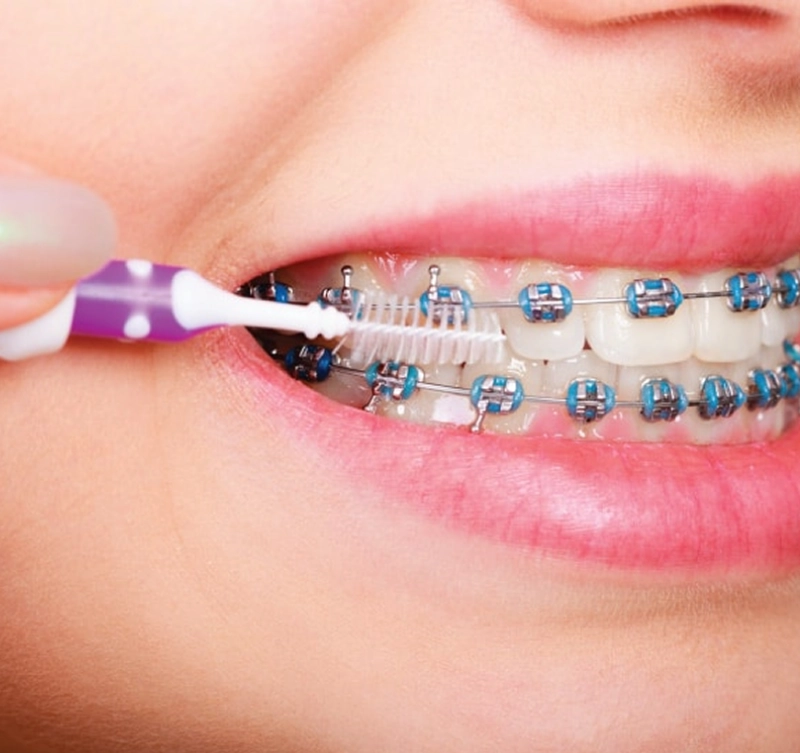
- Use a toothbrush specifically designed for braces. Its brush head can clean around the brackets more effectively and reduce plaque buildup.
- Use fluoride toothpaste and mouthwash to help prevent tooth decay.
- Brush your teeth, floss, and use an interdental brush (Proxabrush) after every meal.
- Avoid hard, sticky, or chewy foods that may damage or dislodge the appliances.
- Try to chew evenly on both sides of your mouth.
- If a long wire or appliance irritates the inside of your cheek, cover the area with orthodontic wax and visit your orthodontist to have the excess wire trimmed.
- Have a dental check-up every six months to detect tooth decay, along with professional scaling as recommended.
Proper oral care during orthodontic treatment is essential, as treatment typically lasts one to three years. Consistent oral hygiene helps prevent bad breath, tooth decay, gingivitis, and mouth ulcers.
Can Braces Change Your Face Shape or Make Your Face Look Slimmer?
Orthodontic treatment can improve tooth alignment and bite, creating a more balanced smile and lip profile. This may make the face appear slightly slimmer, but it does not significantly alter the underlying facial structure. The degree of change depends on each patient’s teeth and jawbone structure.
Read more: Can Braces Really Change Your Face Shape?
Do Braces Hurt at First?
Some discomfort may occur after braces are first fitted. The level of discomfort varies depending on the individual and the amount of tooth movement required. Patients with severe crowding may experience more soreness, but it is generally manageable and can be relieved with pain medication.
Read more: Do Braces Hurt? Everything You Need to Know Before Treatment
What Can You Eat After Getting Braces?
Soft foods are recommended after getting braces for the first time. Suitable options include tofu, rice porridge, soft-boiled rice, and soup. Other foods may be eaten if there is no discomfort, but hard, sticky, and chewy foods should be avoided as they may damage the orthodontic appliances.
Do You Need Teeth Extracted for Braces?
Tooth extraction is not always necessary and depends on the orthodontist’s examination and diagnosis. For mild to moderate space deficiency, other methods may be used to create space, such as interproximal reduction (IPR), arch expansion, or orthodontic miniscrews.
However, extraction may still be necessary in cases of severe crowding or significant protrusion. A consultation with an orthodontist is recommended to develop a personalized treatment plan.
Orthodontic Treatment Summary
Orthodontic treatment is a long-term investment in both your smile and oral health. It improves tooth alignment and bite while helping reduce the risk of tooth decay and gum inflammation.
Treatment options including metal braces, clear aligners, and orthodontic treatment combined with orthognathic surgery vary according to each patient’s needs. Treatment duration and cost depend on the condition of the teeth, case complexity, and consistency in attending appointments.
Preparing properly before treatment, maintaining good oral hygiene, and following your orthodontist’s instructions are essential for achieving attractive, stable, and long-lasting results.