

Root Canal Treatment
Root canal treatment can save a tooth before it is lost. Problems with your teeth and gums are not something to put off.
Toothache and sensitivity are often the first signs of decay. When a cavity goes untreated and is never filled, the decay or a long-standing crack can keep getting worse until it reaches the pulp, the soft tissue at the center of the tooth. The pulp becomes inflamed, an abscess full of pus can form at the root, and the pain can be severe. At that point a filling alone can no longer fix the tooth, and root canal treatment may be needed.
The infection can also spread to nearby teeth. In the end, a patient may lose that tooth, or even the teeth next to it.
What Is Root Canal Treatment?
Root canal treatment is a procedure that removes the microorganisms living inside the pulp chamber, the small space of soft tissue at the center of the tooth, which cause infection and inflammation of the pulp. Any pulp tissue that has been damaged is removed so the rest of the canal can be cleaned and disinfected. The dentist then seals the root canals and restores the tooth so it is strong, looks natural and works normally again. Root canal treatment means the tooth does not have to be pulled. It is a way to keep your natural tooth.
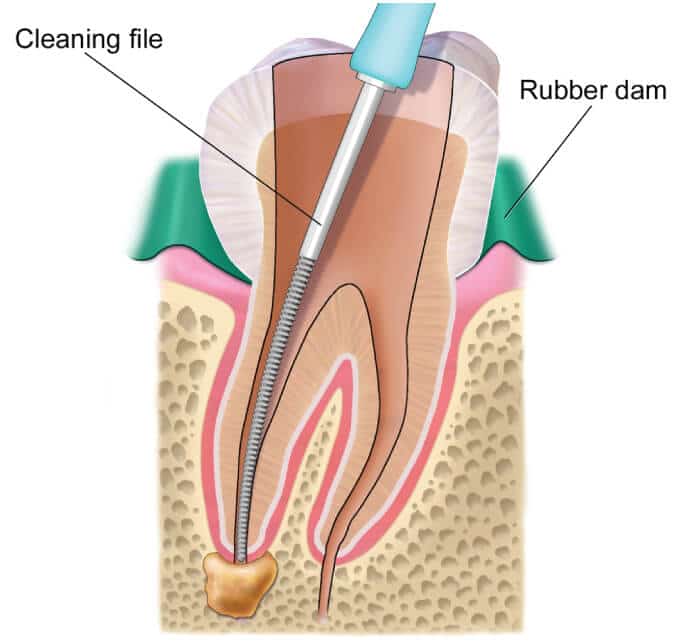
Illustration: root canal treatment
What Is the Dental Pulp?
The dental pulp is the innermost layer of the tooth. It holds the tooth’s nerve, the blood vessels that supply it and lymph vessels. This is why decay that reaches the pulp tends to cause quite severe toothache. If the infection keeps spreading, bacteria travel down to the tip of the root and the root itself becomes inflamed.
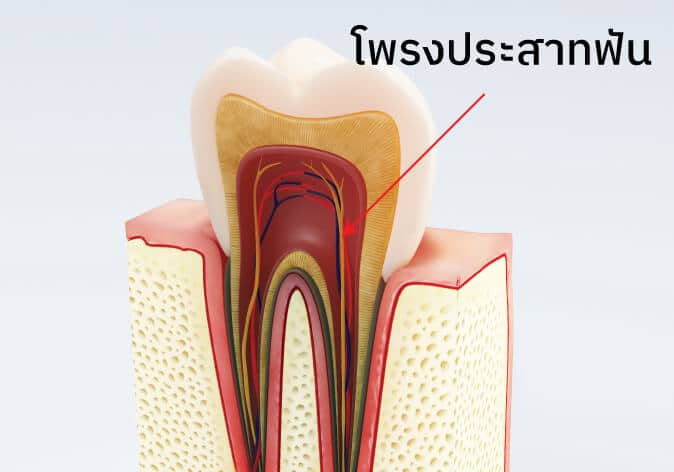
Illustration: dental pulp
How Is a Root Canal Different From a Tooth Extraction?
Root canal treatment lets you keep your own tooth and go on using it, which is a better outcome than having it pulled and replaced with dentures. A tooth that has had root canal treatment behaves like the other teeth in your mouth. It stays anchored in its bone socket, so it remains firm and stable, and it feels better than a denture. Patients can chew with it comfortably and naturally.

Why Do I Need a Root Canal?
When a dentist examines the tooth and finds it can still be treated without extraction, root canal treatment is the recommended option. Afterwards, chewing works as well as it did before, patients can bite into food normally and the tooth regains its natural shape. Most important of all, the problem stops spreading, which protects the neighboring teeth from damage.
Main Causes of Tooth Root Problems
- Severe tooth decay
- Gum disease
- An injury that cracks or breaks the tooth deep enough to reach the pulp
- Severe tooth grinding at night
- Heavy chewing habits, clenching or using the teeth with a lot of force. This stresses the pulp and can lead to cracks that let bacteria get into the pulp chamber
Related articles

Signs of a Tooth Root Problem
When something goes wrong at the root of a tooth, there are usually warning signs. The tooth hurts when you chew or bite, it is sensitive to hot or cold drinks, or it feels loose or wobbly. This happens because the root is a very important part of the mouth. Each tooth contains a pulp chamber.
The pulp is the part that senses feeling. When the pulp or root canal becomes infected, the tooth dies, which causes the symptoms above. Some patients also notice facial swelling, pus draining from the infected tooth, an abscess at the root, a pimple-like bump of pus on the gum or a tooth that turns darker.
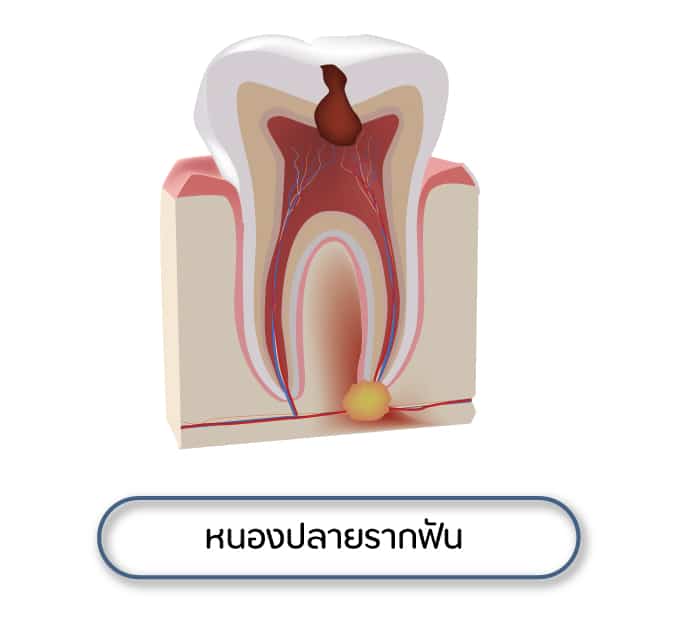
What Causes an Abscess at the Root Tip?
The most serious warning sign that a tooth root is in trouble is pus at the tip of the root. Sometimes the pus drains out where you can see it. Other times it shows up on an X-ray as a dark shadow at the end of the root, which means the infection has spread far enough to destroy the tissue of the whole pulp chamber.
In this situation the dentist cannot simply place a filling. The root canal has to be treated first.
Pus at the root tip usually develops when decay is left untreated for a long time, until the tissue around the tip of the root becomes inflamed. The tooth hurts when you chew or when your teeth touch. Some patients also have swelling or a pus-filled bump on the gum or the roof of the mouth.
Related reading
Why Do I Need a Root Canal if My Tooth Doesn’t Hurt?
An inflamed root caused by long-standing decay or a crack does not always hurt. Sometimes it hurt once and then stopped. The disease is still there, though. Because the root itself has not been treated, the pain can come back or the infection can get worse. If an X-ray shows pus in the root, root canal treatment should be done promptly to reduce the risk of losing the tooth.
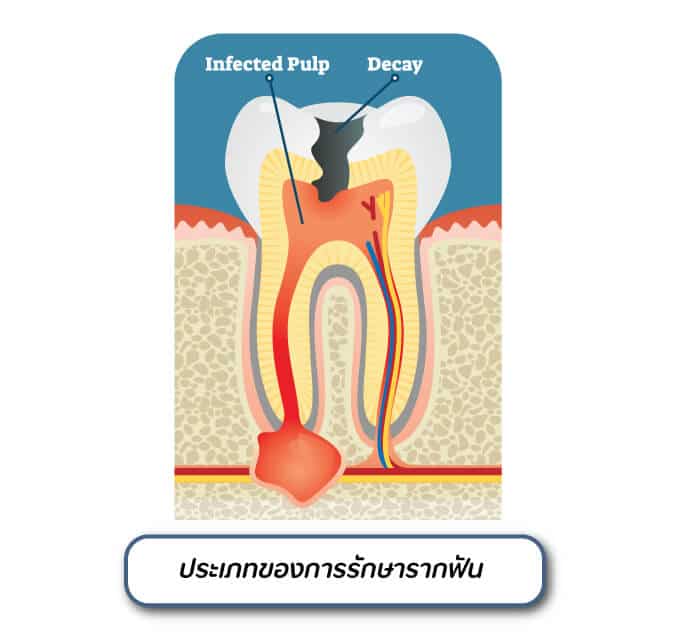
Types of Root Canal Treatment
There are two main types of root canal treatment.
1. Conventional Root Canal Treatment
The dentist measures the length of the root canal with an X-ray, then uses small files to treat the root and clean inside the canal, removing diseased tissue and bacteria.
The canal is then filled with a root canal filling material (gutta-percha). The tooth is not sealed permanently until the pulp chamber and root canals are free of infection.
2. Root-End Surgery (Apicoectomy)
This approach is used when conventional treatment has failed. The dentist makes a surgical opening at the infected root tip and removes part of the root end. Surgical microscopes now give much higher magnification, so the very small root canals can be seen more clearly.
Clearer vision lets the dentist work more precisely and raises the success rate of the treatment. The cleaned root end is then filled with a sealing material.
This material is not toxic to the surrounding tissue, and it allows the tissue around the root tip to heal.
How to Prepare for Root Canal Treatment
- When a dentist diagnoses decay that has reached the pulp and recommends root canal treatment, the patient is first referred to the dentist who does crowns to check whether that tooth can take a crown. If it cannot, root canal treatment may not be worthwhile.
- Root canal treatment usually takes two visits. At the first visit, the dentist cleans the pulp chamber and roots by widening the root canals and rinsing them with a disinfectant to remove bacteria. At the second visit, once the pulp chamber and roots are clean and free of infection, the dentist seals the root canals to prevent reinfection. Where possible, the dentist also places a post and core build-up, a central support that strengthens the tooth for the crown that follows.
Root Canal Treatment Steps
- The dentist numbs the area with a local anesthetic and places a thin rubber sheet (rubber dam) to isolate the problem tooth from the others.
- The decayed and damaged parts of the tooth are removed, along with any inflamed or infected tooth tissue, down to the pulp chamber.
- The root canals are cleaned and medication is placed inside them.
- The tooth is closed with a temporary filling to prevent reinfection.
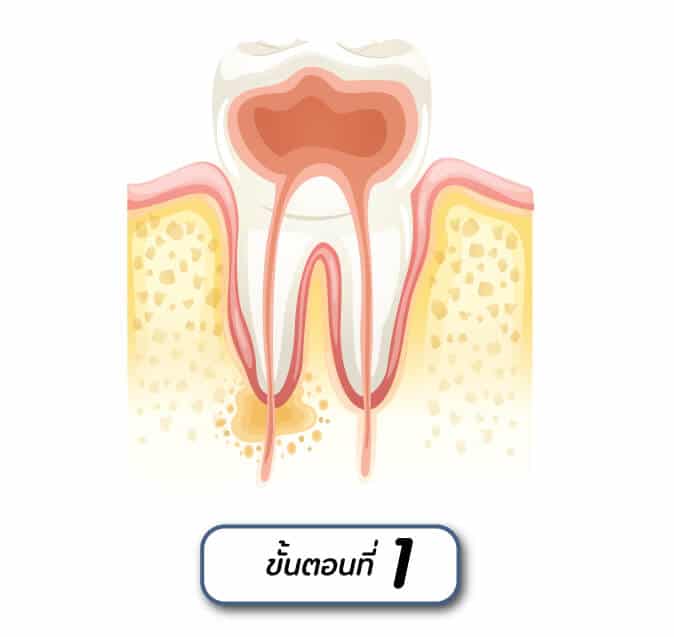
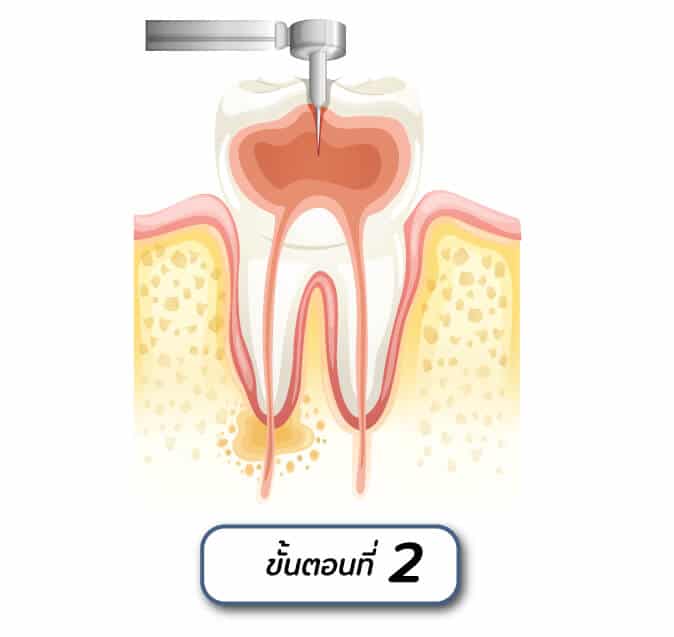
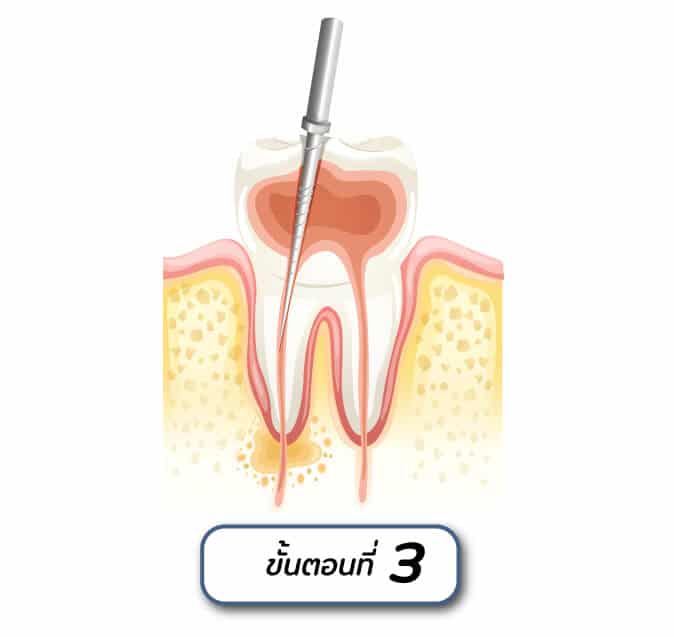
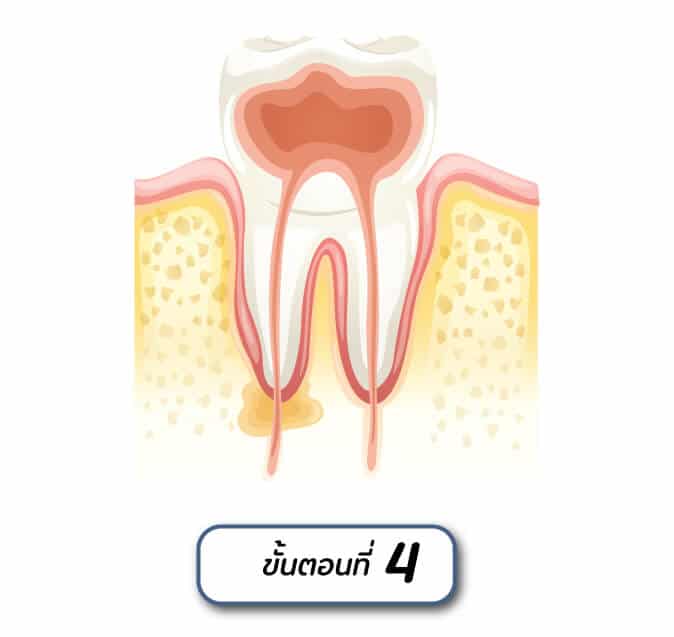
For some patients, though, treatment is not finished in one visit. Several visits may be needed to clean the canals and change the medication inside them until the infection or inflammation has fully cleared.
Once there is no more inflammation, the dentist seals the root canals and places a post to support and strengthen the tooth for a crown, which is the next step. Whether this is possible also depends on how much healthy tooth structure is left.
How Long Until the Pain Goes Away After a Root Canal?
Sometimes the dentist can finish the root canal in a single visit if the infection has not spread far. If there are no other complications, soreness usually improves within 2–5 days, and the tooth feels normal again within about 1 week. If the pain keeps getting worse, there is swelling, or the pain lasts more than 1 week, come back to see the dentist.
How Many Visits Does a Root Canal Take?
Most root canals take two visits, 1–2 weeks apart, depending on how badly the tooth is infected. If there is a lot of infection or pus at the root tip, treatment may take longer.
If the bacteria have not yet reached far down toward the root tip, treatment may be done in a single day.
Why Do I Need a Crown After a Root Canal?
After root canal treatment, the dentist usually places a crown to keep the tooth from breaking. Root canal treatment is complex and is not finished in one visit, so a crown is fitted to protect the tooth from fracturing. Patients can choose the type of crown that suits them, whether metal, ceramic or zirconia.
Root Canal Treatment Cost
Root canal treatment prices | |
Front tooth root canal | 7,000–9,000 THB |
Premolar root canal | 10,000–12,000 THB |
Molar root canal | 12,000–14,000 THB |
Root canal treatment is a fairly involved and complex procedure, and it takes time. Costs can rise depending on the condition of the tooth. A root canal on a molar generally costs more than on other teeth, so the dentist needs to assess the cost for each case.
The price depends on how difficult the tooth is to treat (front tooth, premolar or large molar), and whether a post or crown is needed. See more of Smile And Co’s fees on our root canal treatment price page.
Where Should I Get a Root Canal?
Look for a clinic that has both a specialist in root canal treatment and a specialist in crowns. The key question is the tooth’s prognosis, meaning how it is likely to do after treatment. If the prognosis is poor and treatment goes ahead anyway, the tooth may still have to be extracted. That is why a consultation with the dentist matters so much.
What Are the Side Effects After a Root Canal?
Right after root canal treatment, patients usually feel some soreness for the first 2–3 days, sometimes with swollen gums. The soreness eases and goes away on its own, and regular pain relievers can help.
Pain can also continue after treatment if the canal was sealed before it was fully clean, the canals were not completely shaped or the tooth has cracked. In that case the root canal may need to be reopened and redone.
Aftercare Following a Root Canal
After root canal treatment, the dentist will give you aftercare instructions. Follow them closely, for your own benefit, so the treatment works well and the tooth lasts for a long time.
- Do not eat straight away. Wait until the numbness wears off so you do not bite your tongue or cheek.
- Be careful with the treated tooth. Avoid chewing or biting food with it, as it could crack or break.
- If the temporary filling comes out, see your dentist right away to stop bacteria from the mouth getting into the root canal.
- Keep every follow-up appointment. Skipping them raises the risk of losing the tooth in the future.