Comprehensive
Dental Implant Treatment

Specialist Expertise You Can Trust
Backed by Over 10 Years of Experience

Personalized Treatment Planning

Dental Implants with Dr. Golf Thanapon | SMILE & Co. Dental Clinic
  • Consult a dental implant specialist to develop a personalized treatment plan, including the number of implants required and whether bone grafting is necessary.
  • Patients with underlying medical conditions should inform the dentist so that their health can be assessed before implant placement.
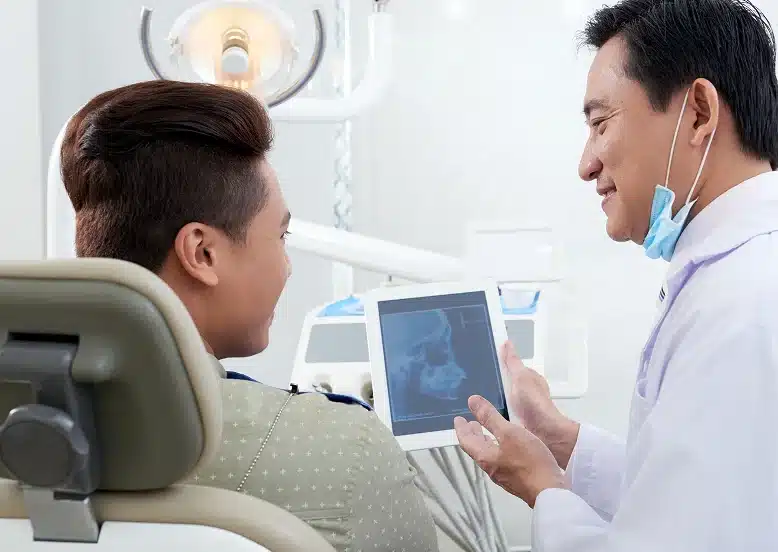
  • A 3D X-ray may be required for cases involving multiple implants or significant bone loss.

Patient Experiences with Dental Implant Treatment

Premium Standard of Care

Personalized Dental Implant Guidance

Nutritional Guidance

Oral Hygiene Care

Follow-Up Care and Oral Health Assessments

Lifestyle and Risk-Factor Management

Optimal Results Through Effective Treatment Planning

1. Dental Implant Placement

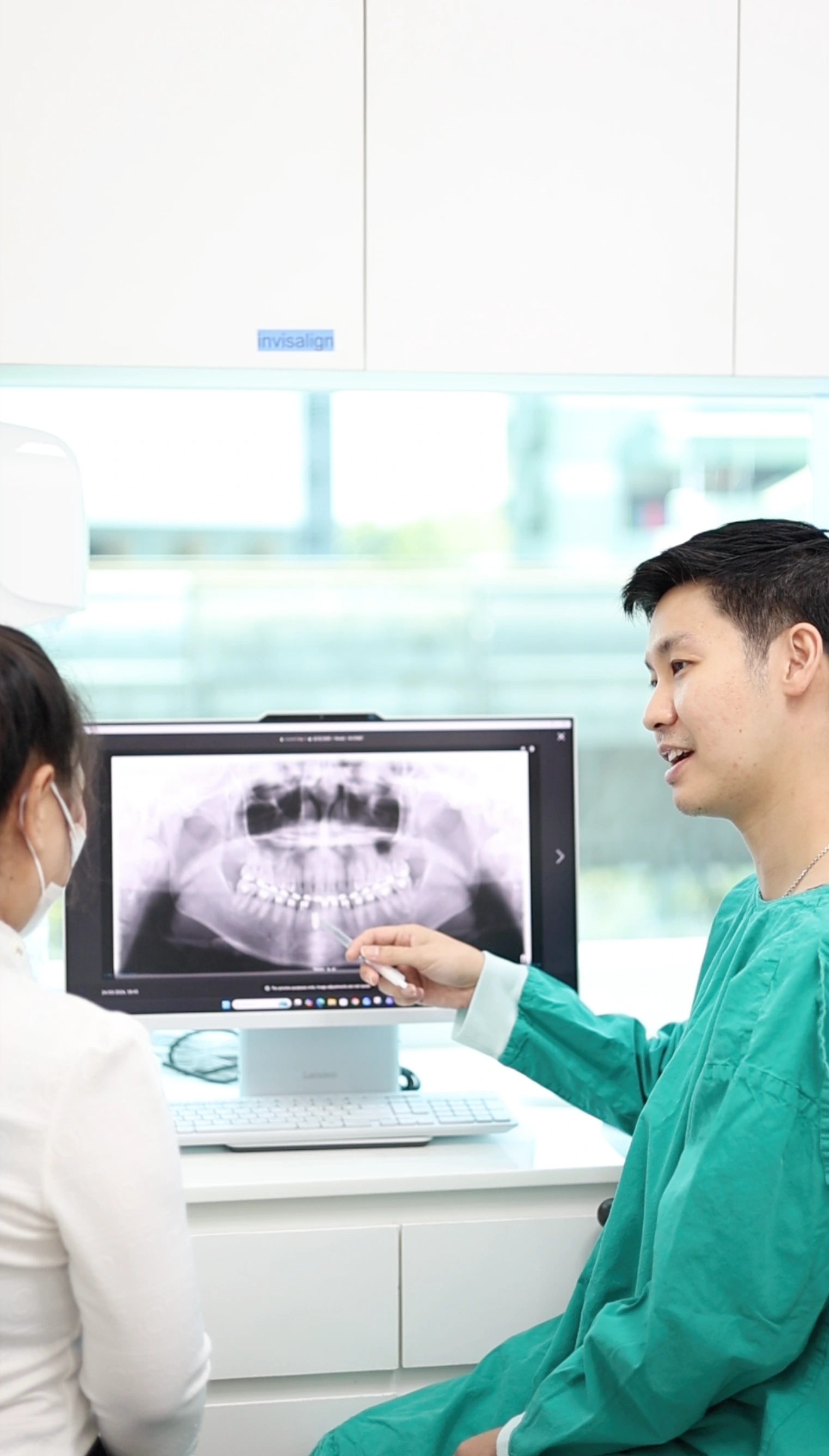
During the consultation, the dentist will examine the condition of the jawbone and take X-rays. For cases involving multiple implants, dental impressions may also be taken to support treatment planning and the creation of a surgical guide.

The dentist will explain the treatment process, including any additional procedures that may be required, such as a bone graft or maxillary sinus lift. Treatment costs will be provided, and the implant-placement appointment will be scheduled.

Before implant placement:

  • Get sufficient rest.
  • Take your regular medication as prescribed.
  • Stay relaxed and comfortable.

On the day of the procedure, the implant will be placed under local anesthesia. Implant placement generally takes approximately one hour. If additional surgical procedures are required, treatment may take around 2–3 hours. The wound will then be sutured, with a follow-up appointment for suture removal after one week.
2. Implant Crown Placement

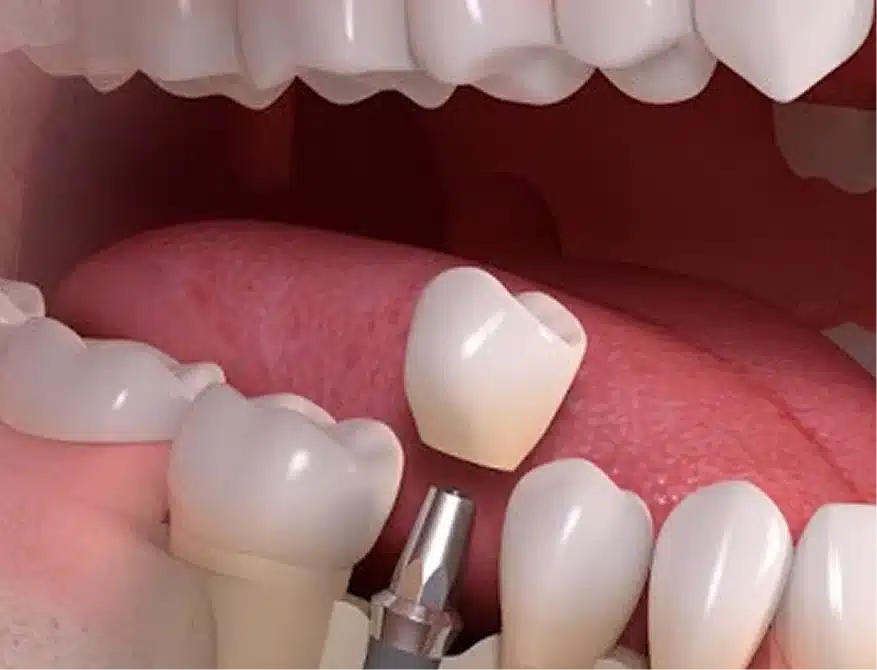
  • After implant placement, approximately 3–6 months are required for the implant to integrate with the jawbone. An appointment will then be scheduled for the implant crown.
  • The dentist will take an impression of the implant area and send it to a dental laboratory to fabricate the crown.
  • The implant crown will usually be fitted approximately 1–2 weeks later.
  • Follow-up examinations are recommended after 1 month, 3 months, 6 months, and annually thereafter.
  • Read more: What Is a Dental Crown, and How Can It Restore a Damaged Tooth?

Dental Implant Specialists

Dental implant prices vary depending on the patient’s oral condition and individual treatment needs.

Implant Brand1st Installment2st Installment3st InstallmentTotal Price (Including a Ceramic or Zirconia Crown)
Hiossen Implant (USA)THB 20,000THB 9,500THB 9,500THB 39,000
Astra Tech Implant (Sweden)THB 30,000THB 14,500THB 14,500THB 59,000
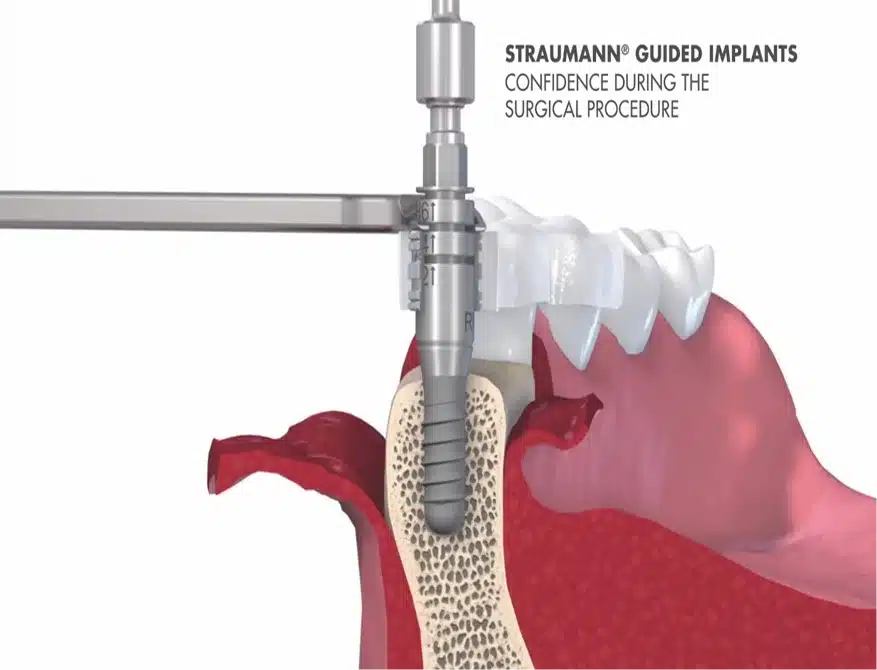
Straumann Implant (Switzerland)THB 35,000THB 15,000THB 15,000THB 65,000
  • The stated prices include a high-quality dental crown. Additional fees may apply when upgrading to a premium or all-ceramic crown.
  • The stated prices exclude X-rays, additional surgical procedures such as bone grafting or sinus lifting, medication, and other medical supplies.
  • Installment payment plans are available.

Dental Implant Case Reviews

Full-Mouth Rehabilitation With Crowns, Implants and Bite Reconstruction

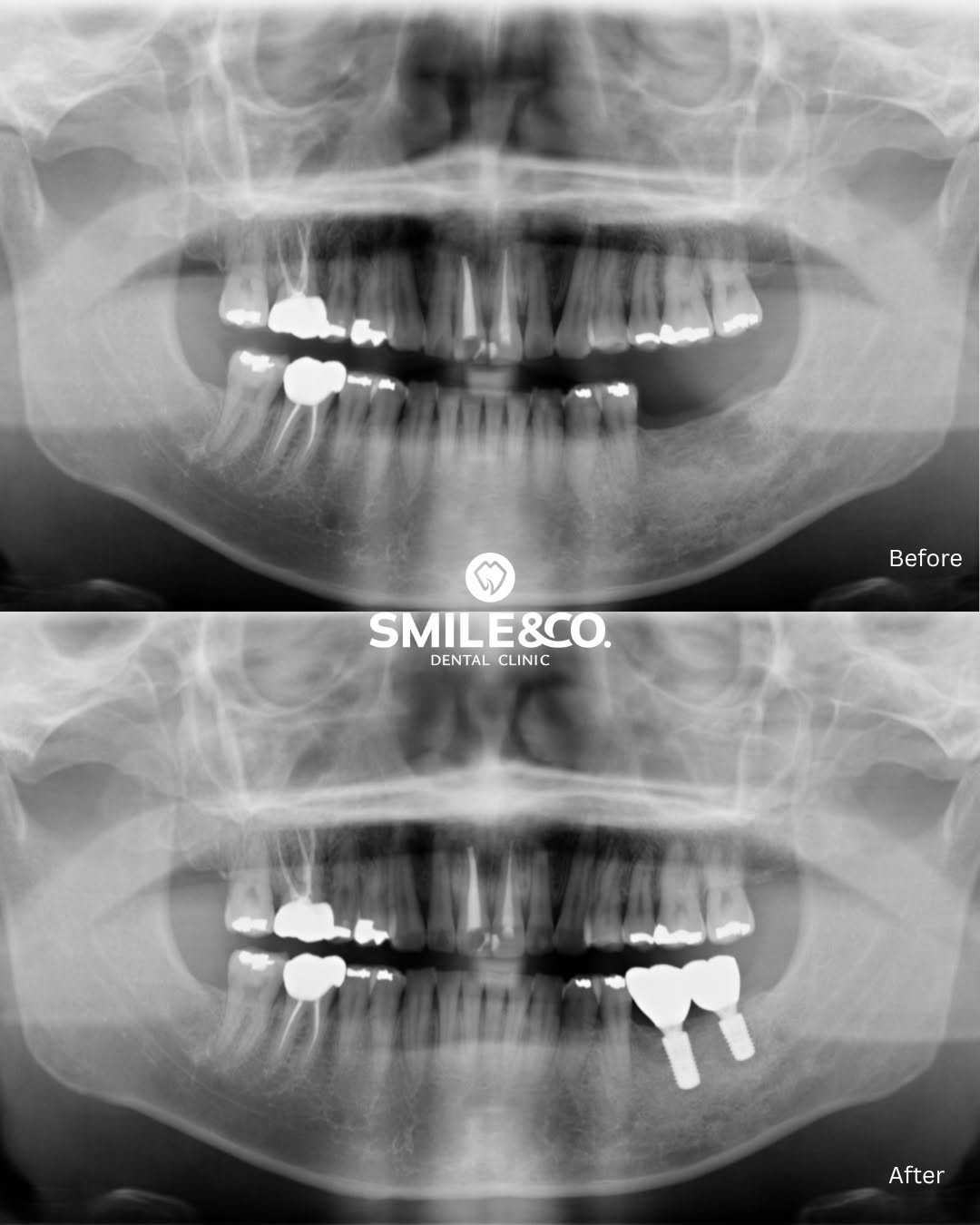
Oral rehabilitation plans the restoration of the whole mouth together with the bite, for patients with many damaged teeth. In this case, the patient had several damaged and missing teeth. Dr. Thanapol Ariyanuntaka and Dr. Artit Songwatcharaporn, PhD planned crowns to restore damaged teeth, implants to replace missing teeth, and a new occlusal plane to re-establish the vertical dimension of the bite, to help the jaw joints and chewing muscles work together.

Treated at Smile & Co. Dental Clinic, Phaya Thai, Bangkok.
Results vary from person to person. These images show the result of this case only.

Treatment Provided by

Dr. Thanapol Ariyanuntaka
Specialist in Oral and Maxillofacial Surgery, Diplomate of the Thai Board of Oral and Maxillofacial Surgery

Dr. Artit Songwatcharaporn, PhD
Restorative Dentistry

Straumann Implants for a Patient Who Had Been Chewing on One Side

This patient could not chew well and had been chewing on one side for a long time. Dr. Thanapol Ariyanuntaka planned Straumann implants to replace the missing teeth. After treatment, the patient could chew on both sides again.

Treated at Smile & Co. Dental Clinic, Phaya Thai, Bangkok.
Results vary from person to person. These images show the result of this case only.

Treatment Provided by

Dr. Thanapol Ariyanuntaka
Specialist in Oral and Maxillofacial Surgery, Diplomate of the Thai Board of Oral and Maxillofacial Surgery

A Dental Implant After a Long Gap, for a Patient Who Reported Dental Anxiety

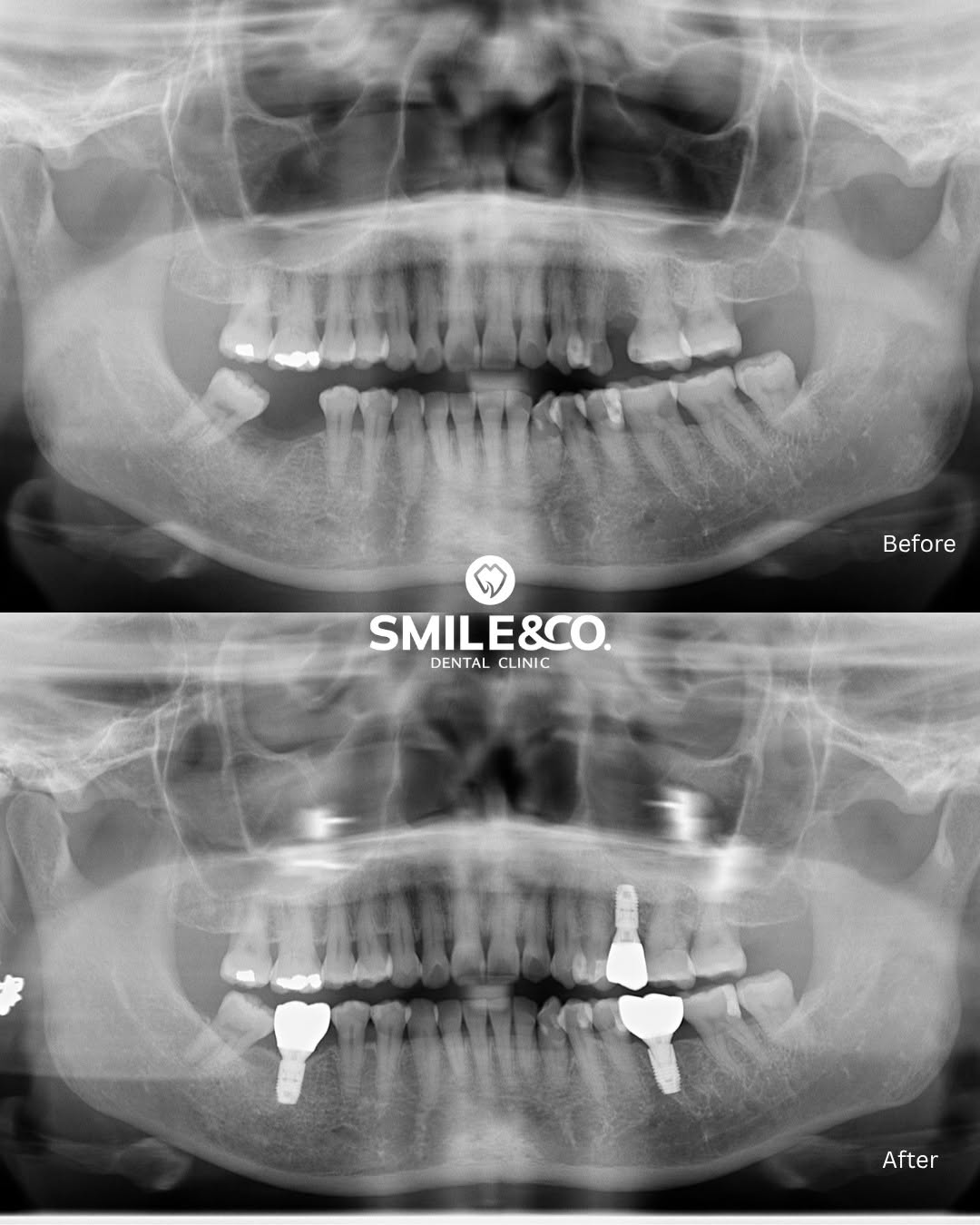
This patient had a tooth extracted some time ago but delayed further treatment because, as the patient told us, they had strong dental anxiety. After a thorough consultation and implant treatment with Dr. Thanapol Ariyanuntaka, the patient could chew with the tooth again.

Treated at Smile & Co. Dental Clinic, Phaya Thai, Bangkok.
Results vary from person to person. These images show the result of this case only.

Treatment Provided by

Dr. Thanapol Ariyanuntaka
Specialist in Oral and Maxillofacial Surgery, Diplomate of the Thai Board of Oral and Maxillofacial Surgery

YOUR FAMILY’S
TRUSTED SPECIALIST
DENTAL HOME

YOUR FAMILY’S
TRUSTED SPECIALIST
DENTAL HOME

Founded in 2017 by Dr. Nutthanan Rujeerapaiboon, Board Certified in Oral and Maxillofacial Surgery, and Dr. Nuttanun Rujeerapiboon, Board Certified in Orthodontics, Smile & Co. was built on the belief that a dental clinic should be more than a place for dental treatment. It should be a center of trust and confident smiles—delivering care to the standards of a private hospital while remaining accessible, welcoming, and comforting like home.

Every decision we make—from selecting our team of dental specialists to choosing advanced equipment and technology—is guided by one question:

“If it were us or our family, would we feel confident receiving treatment here?” Our answer is yes. Smile & Co. was created to be a place that we and our families can trust—just as every patient can.

Yes. However, the longer it has been since the extraction, the greater the likelihood that bone grafting will be required. The jawbone may begin to resorb within three months after extraction and can decrease by approximately 25% during the first year.


If the remaining bone has sufficient height and width, the implant may be placed immediately. If not, a bone graft may be required first, followed by a healing period of approximately 3–6 months before implant placement.


Some patients have successfully received implants even 5–10 years after tooth extraction. The key is to undergo an individual assessment and personalized treatment planning. Avoid waiting until significant bone loss occurs, as this may increase both the treatment time and cost.

    • First 24–48 hours: Consume only cool, soft foods such as yogurt, ice cream, chilled soup, and pudding. Avoid using straws, as suction may cause renewed bleeding.
    • Weeks 1–2: Eat soft, warm foods such as rice porridge, steamed eggs, boiled fish, and blended foods. Chew on the opposite side of the surgical site.
    • Weeks 3–4: Gradually return to a normal diet, but avoid hard, sticky, or very hot foods such as candy, hard nuts, ice, and tough steak.
    • After the permanent crown is fitted, usually within 3–6 months: You can generally return to a normal diet and use the implant similarly to a natural tooth.

    Always avoid biting extremely hard objects, such as opening bottles with your teeth or chewing ice, as this may fracture the crown or damage the implant.

Standard conventional implant treatment typically takes 4–6 months from the initial consultation to permanent crown placement. The process consists of three main phases:

  • Phase 1 — Assessment and treatment planning: 1–2 visits for a CT scan and comprehensive oral examination.
  • Phase 2 — Implant placement: 1 visit, taking approximately 15–20 minutes per implant. The implant is then left to integrate with the jawbone for 3–4 months.
  • Phase 3 — Abutment and crown placement: 2–3 visits, scheduled 1–2 weeks apart.

A straightforward case usually requires approximately 5–7 clinic visits. If bone grafting is required, the total treatment time may be extended by an additional 3–6 months.

For suitable cases, the dentist may recommend a One-Day Implant, in which the implant and a temporary crown are placed on the same day. However, a healing period of 3–4 months is still required before the permanent crown can be fitted.

Approximately 30–50% of dental implant cases require bone grafting, particularly when a tooth was extracted more than six months ago and the space was left untreated. Without a tooth, the jawbone gradually resorbs. If the remaining bone does not have sufficient height or width, it may not be able to support an implant.

Bone grafting typically costs approximately THB 5,000–30,000, depending on the amount of bone required and the type of grafting material used, such as synthetic or natural bone.

After bone grafting, a healing period of approximately 3–6 months is usually required before implant placement. The clinic will inform you before treatment whether bone grafting is necessary for your case.